


How do missing teeth affect you, and how can you fix them? Missing teeth do more than change your smile. They can make chewing hard, make it harder to speak, and may cause your jawbone to weaken over time. A dental implant in Etobicoke is a reliable way to replace missing teeth. Implants work like natural teeth and can last many years if taken care of properly.
Understanding how does dental implant treatment work and what affects their cost can help you make better choices for your oral health.
What Is a Dental Implant?
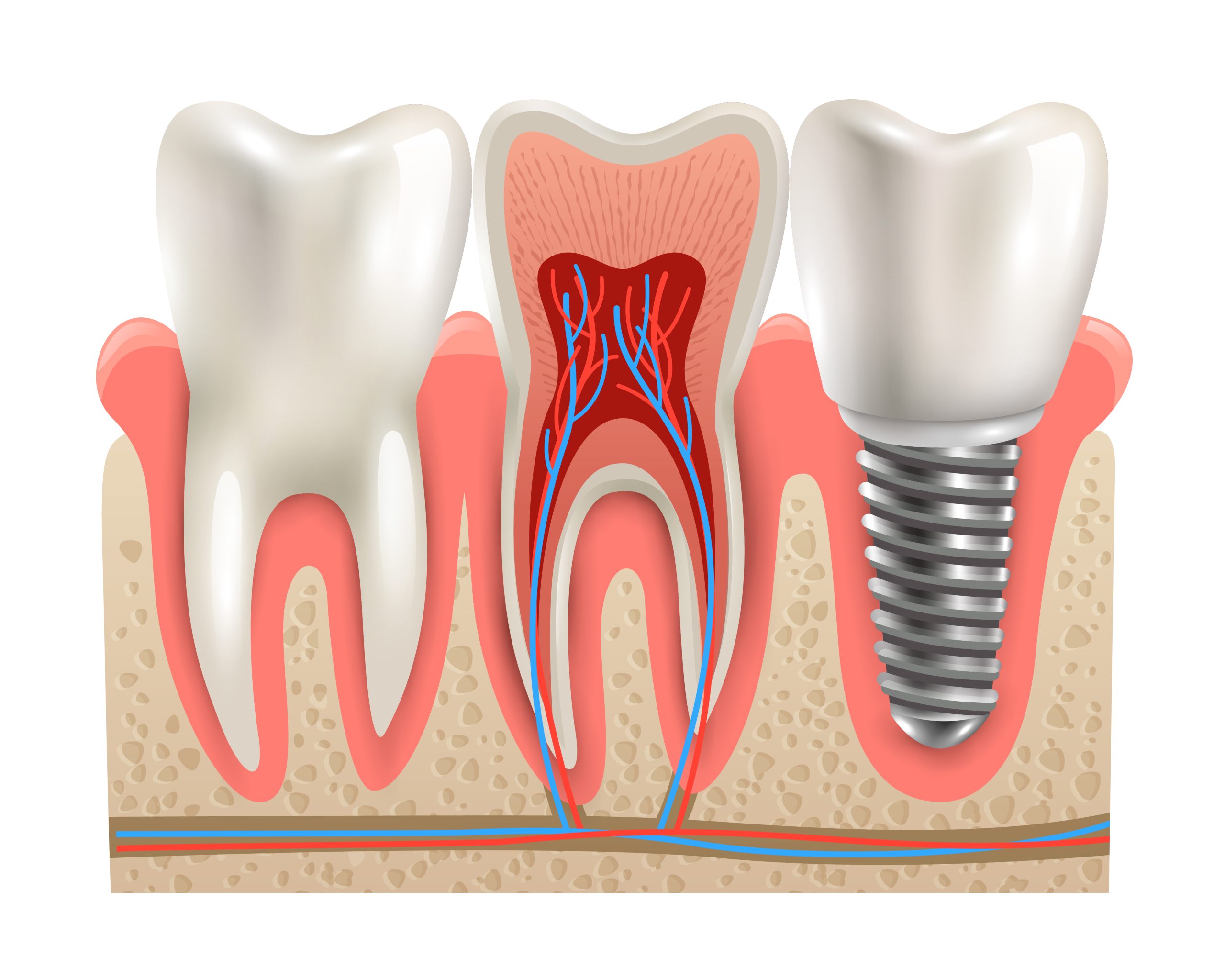
A dental implant is a small post, usually made of titanium, placed into the jawbone. It functions as a replacement tooth root, providing support for a crown, bridge, or denture.
Key benefits of dental implants include:
- Restoring your ability to chew and speak clearly
- Maintaining jawbone strength and preventing bone loss
- Keeping nearby teeth in place
- Offering a natural-looking, permanent solution
Dental implants are designed to feel, function, and look like natural teeth, giving you confidence in your smile.
The Step-by-Step Dental Implant Process
Dental implant treatment is a carefully planned procedure. Each step ensures the implant is stable and long-lasting.
- Initial Consultation: During your first visit to a dental clinic for a dental implant, your oral health will be examined. X-rays or 3D scans help assess bone structure and plan the placement of the implant.
- Placing the Implant: A small titanium post is put into the jawbone using local anesthesia. This is done carefully and gently.
- Healing and Bone Bonding: After the implant is in place, it fuses with the bone in a process called osseointegration. This makes a strong base for the new tooth.
- Adding the Connector: Once the implant is stable, a small connector called an abutment is attached. This piece links the implant to the crown, bridge, or denture that goes on top.
- Final Restoration: A custom-made crown, bridge, or denture is placed on the abutment. The result is a natural-looking, fully functional tooth replacement.
Factors Affecting the Cost of a Dental Implant
The cost of a dental implant can vary depending on several factors:
- Number of teeth replaced: Multiple implants increase the overall cost.
- Surgery difficulty: Extra procedures like bone grafts can make it more expensive.
- Type of tooth replacement: Single crowns, bridges, or full dentures cost different amounts.
- Materials: Using titanium posts or porcelain crowns can change the price.
- Location and expertise: Clinics with advanced tools or specialist dentists may charge more.
Getting dental implants can save money in the long run. They last a long time and are strong, so you don’t have to replace them as often as other treatments.
Why Choose a Dental Clinic?
Selecting a trusted clinic is crucial for safe and successful implant treatment. A professional dental implant near you provides:
- Advanced tools and technology for accurate placement
- Individualized treatment plans
- Experienced dental surgeons and restorative dentists
- Regular follow-ups to monitor healing and ensure success
Professional care ensures your dental implant functions well and lasts for years.
How to Care for Your Dental Implants
Proper care is essential to maintain your dental implant for the long term. Patients should:
- Brush and floss daily, just like natural teeth
- Visit your dental clinic in Etobicoke for regular check-ups
- Avoid chewing on hard foods or objects that may damage the crown.
- Use a night guard if teeth grinding is an issue.
- Report any pain, swelling, or loosening immediately.
With consistent care, dental implants can provide a permanent, reliable solution for missing teeth.
Restore Your Confidence with Expert Dental Implants!
You can count on Rexdale Plaza Dentistry for expert implant care, personalized treatment plans, and guidance every step of the way. Schedule your appointment today to restore a healthy, fully functional smile while improving your oral health with long-lasting results that appear natural while boosting confidence and quality of life.
FAQs
How long do dental implants last?
With proper oral hygiene and regular dental check-ups, dental implants can last 25 years or more. Many patients enjoy them as a long-term, sometimes permanent, solution for missing teeth. The crown or restoration may need occasional replacement, but the implant itself is highly durable.
Does getting a dental implant hurt?
Most people feel little or no pain during the procedure. Local anesthesia and modern techniques make it comfortable. After the surgery, you might have some mild soreness or swelling, which can be eased with regular pain medicine.
Who is a good candidate for dental implants?
Healthy adults with sufficient jawbone density and good overall oral health are ideal candidates. Patients with certain medical conditions, such as uncontrolled diabetes or bone loss, may require extra evaluation or preparatory procedures before implants can be placed safely.
How soon can I eat after dental implant surgery?
It’s best to stick to soft foods for the first few days after surgery to avoid disturbing the implant site. Hard, crunchy, or sticky foods should be avoided until the implant fully integrates with the jawbone. Your dentist will provide a personalized timeline for returning to a normal diet.